Garden maintenance for Windmill Gardens Upminster homes
If you live in Windmill Gardens, Upminster, you already know the difference a tidy garden makes. It is not just about a neat lawn or a few clipped hedges. It is about coming home to a space that feels calm, looked after, and usable on the kind of ordinary week where everything else is already busy enough. Garden maintenance for Windmill Gardens Upminster homes is the regular, practical work that keeps outdoor spaces healthy, presentable, and easier to enjoy through every season.
Truth be told, gardens rarely fail all at once. They drift. A bit of grass grows too long, weeds find the corners, shrubs get leggy, and suddenly the whole space feels heavier than it should. The good news? With the right routine, that drift is easy to reverse. This guide walks through what garden maintenance involves, why it matters locally, how to approach it step by step, and how to avoid the small mistakes that tend to snowball. Let's make it simple.
For readers who want broader service information as well, the main garden maintenance page and the wider services overview can help you compare what is usually included and where a tailored plan may make more sense.
Table of Contents
- Why Garden maintenance for Windmill Gardens Upminster homes Matters
- How Garden maintenance for Windmill Gardens Upminster homes Works
- Key Benefits and Practical Advantages
- Who This Is For and When It Makes Sense
- Step-by-Step Guidance
- Expert Tips for Better Results
- Common Mistakes to Avoid
- Tools, Resources and Recommendations
- Law, Compliance, Standards, or Best Practice
- Options, Methods, or Comparison Table
- Case Study or Real-World Example
- Practical Checklist
- Conclusion
- Frequently Asked Questions
Why Garden maintenance for Windmill Gardens Upminster homes Matters
In a place like Upminster, where many homes have front gardens, side access, patios, or modest family lawns, the garden is part of daily life rather than just a backdrop. It frames the property, affects how welcoming the home feels, and often decides whether the outdoor space gets used at all. A neglected garden can make even a well-kept house feel a bit tired. A maintained one quietly lifts everything.
There is also a practical side that people underestimate. Regular maintenance helps prevent problems before they become expensive or awkward. For example, a hedge that is kept on top of is much less likely to become an overgrown barrier. A lawn mown at sensible intervals tends to stay healthier than one hacked back after weeks of neglect. Weeds are easier to manage when they are tackled early, not after they have rooted through borders like they pay rent.
Windmill Gardens homes may face the usual local pressures too: shade from nearby trees, leaf fall in autumn, compacted soil in busy family gardens, and the classic British weather pattern of damp one minute, dry the next. That mix can be rough on planting beds, lawns, and paved edges. Regular care keeps the whole garden more resilient, which sounds grand, but really it just means less frustration later.
Expert summary: The best garden maintenance is not glamorous. It is steady, seasonal, and a little boring in the best possible way. That is exactly why it works. Small tasks done regularly beat rescue work every single time.
How Garden maintenance for Windmill Gardens Upminster homes Works
Garden maintenance usually follows a simple rhythm: inspect, tidy, cut back, feed or refresh where needed, and clear away waste. The exact mix depends on the size of the garden, what is growing there, and how much time you want to spend on it. Some homes need weekly attention in spring and summer. Others only need a lighter monthly or seasonal visit, especially if the planting is low-maintenance.
A proper maintenance visit normally starts with a quick visual check. What has changed since last time? Has the grass surged after rain? Are the shrubs pushing into paths? Are weeds appearing around paving, fences, or borders? That early observation matters. It stops the work becoming random. It also helps you decide what needs doing now and what can wait a week or two.
Then comes the practical work. Depending on the season, that may include mowing, edging, hedge trimming, pruning, clearing leaves, weeding, light border tidying, deadheading, jetting or brushing hard surfaces where appropriate, and checking that plants have enough space and air around them. Sometimes the job is visual neatness. Sometimes it is plant health. Often it is both.
Maintenance is also about timing. Cut a hedge too late and you may miss the chance to shape it cleanly. Mow grass when it is too wet and you risk tearing the blades. Prune the wrong plant at the wrong time and you can lose flowers for a season. There is a knack to it, but it is not mysterious. Most of it comes from understanding what each part of the garden wants rather than forcing everything into the same routine.
If your garden includes larger shrubs, awkward boundary growth, or a tree that is starting to dominate, it may make sense to bring in specialist support such as hedge trimming or, where overgrowth is more serious, tree lopping and removal. A garden often looks calmer once the bigger structural bits are under control. Funny how that works.
Key Benefits and Practical Advantages
Good garden maintenance gives you more than a tidy view. The practical benefits stack up fast.
- Better kerb appeal: A tidy front garden makes a home feel cared for before anyone even reaches the door.
- Healthier plants: Regular pruning, weeding, and feeding help plants use space and light properly.
- Less weekend catch-up: Small tasks stay small when they are done regularly.
- Safer access: Clear paths, cut-back growth, and manageable hedges reduce trip hazards and blocked sightlines.
- More usable space: A garden is far more inviting when it is not fighting you every time you step outside.
- Lower stress during seasonal changes: Autumn leaf fall, spring growth spurts, and summer dry spells are easier to handle when you have a routine.
There is also a subtle benefit many homeowners notice only after a few months: the garden starts to feel bigger. Not physically bigger, obviously. Just more open, more balanced, and easier to move through. A cluttered border or a lawn edged by wild growth can make even a decent-sized space feel cramped. Trim it back, and the whole place breathes again.
For homes that also need broader exterior improvements, a mix of landscaping and routine maintenance can be a smart combination. Landscaping shapes the space; maintenance keeps it looking like someone still cares. That partnership matters.
Who This Is For and When It Makes Sense
Garden maintenance is not only for people with huge lawns or showpiece planting. In fact, some of the people who benefit most are the ones with ordinary gardens that have got away from them a little. That includes busy families, older homeowners who prefer not to do heavier lifting, landlords preparing a property, and anyone who wants their outdoor space to stay nice without spending every spare hour on it.
It also makes sense if you have just moved into a home in Windmill Gardens and the garden needs a reset. That is a common one. People move in, unpack boxes, and only then notice that the back border is a bit of a jungle. No judgement. Happens all the time.
This kind of upkeep is especially useful if you:
- want a tidy look without doing all the work yourself
- struggle to keep up during spring and summer growth
- have hedges, shrubs, or mixed borders that need regular shaping
- need the garden to stay presentable for family use or guests
- are preparing a property for sale or letting
- have limited time, mobility, or equipment
It may be less urgent if your garden is extremely small, paved, or already designed to be minimal. Even then, though, you will usually still need some care. Planters dry out. Moss creeps in. Potted shrubs need pruning. Nature, as ever, does not sit still and wait politely.
Step-by-Step Guidance
If you want a manageable routine, work through the garden in the same order each time. That way you do not miss obvious problems or accidentally undo your own work.
1. Walk the space first
Start with a slow look around. Check the lawn, borders, fence line, paths, patio edges, and any raised beds or pots. Notice what has grown since the last visit. This quick scan saves time later because you can focus on the right jobs, not all the jobs.
2. Remove obvious waste and debris
Pick up fallen branches, dead leaves, broken pots, and general clutter. Clearing the surface makes every following task easier. It also shows you the true condition of the space, which is useful if things have got a bit hidden under the mess.
3. Tackle lawn care
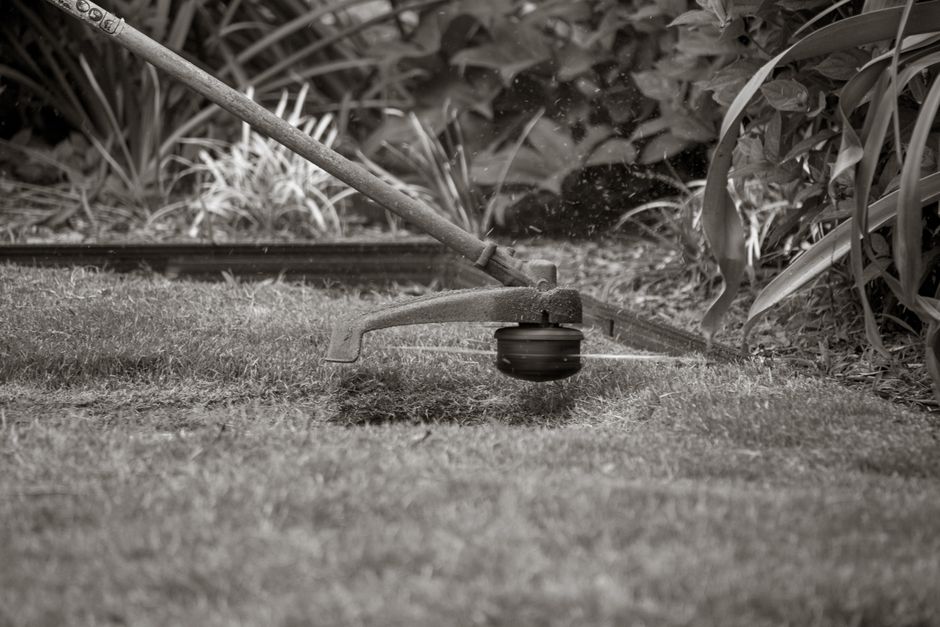
Mow at the correct height for the time of year and the grass type. Do not cut too short just because the mower bag is nearly full. That old temptation causes weak growth and patchy areas. If the lawn edges have gone soft, trim them back so the whole area looks crisp again. If the lawn is uneven, mossy, or packed with thatch, it may need more than a quick pass.
For homes where the grass is central to the look of the garden, dedicated lawn mowing support can keep the cutting consistent, which is often where people lose the battle on their own. To be fair, lawns can be needy little things.
4. Weed borders and hard edges
Weeds compete for water and nutrients, but they also make a garden look neglected very quickly. Pull them early, roots and all where possible. Pay special attention to cracks near paving, fence bases, and the first few inches around plant stems. Those are the places weeds love most.
5. Shape hedges and shrubs
Keep growth balanced rather than overcutting one side. A hedge should usually be narrower at the top than at the base so light reaches the lower foliage. That helps maintain a fuller shape. Shrubs may need selective pruning, not just a blunt trim. The difference matters. A lot.
6. Deadhead and tidy planting areas
Removing spent flowers encourages a cleaner appearance and, for some plants, more blooms. Cut away damaged or diseased stems carefully. Clear away yellowing leaves. It is small work, but it changes the whole mood of the border.
7. Check soil and watering needs
Dry soil, compacted beds, and thirsty pots often cause the quietest problems because they look less dramatic than weeds or overgrowth. If the weather has been dry, water deeply rather than with tiny frequent splashes. If the soil is heavy and waterlogged, improve drainage where possible and avoid trampling wet beds.
8. Finish with waste removal and a final walk-through
Collect the green waste, stack tools away, and walk the space again. This last check is the easiest way to catch anything you missed. It also gives you that satisfying "yes, that looks better" moment. Small victory, but a real one.
Expert Tips for Better Results
Some of the best garden maintenance advice sounds almost too simple, but the simple stuff is usually where the results come from.
Keep a seasonal rhythm. Do not try to treat summer and winter the same way. Growth patterns change fast. Spring often needs more mowing and weed control, while autumn is more about leaf clearance, tidying borders, and getting on top of debris before it turns to slick, damp mush on paths.
Cut little and often. It is usually easier on the plants and easier on you. A garden that gets a small tidy every week often looks better than one that gets a heroic overhaul once a month. Heroic sounds good. It rarely ages well.
Learn the difference between pruning and hacking. Pruning is targeted. Hacking is what happens when you have had enough and the hedge has annoyed you personally. A neat cut in the right place keeps plants healthy; random chopping can set them back or distort their shape.
Use the weather wisely. Dry, mild days are often best for cutting, lifting debris, and shaping growth. Wet conditions can compact soil and make mowing messy. Frost and hard cold are not ideal for tender pruning. Timing matters more than most people expect.
Match the job to the right tool. A clean pair of shears is better than forcing a blunt blade through green growth. A decent mower height setting is better than cutting too low because it "looks tidier". And yes, sometimes the old hand fork really is better than the fancy gadget you bought on impulse.
Watch the garden after you have finished. Two or three days later, look again. You will often spot a missed edge, an area drying out, or a branch that looked fine in the moment but now seems to lean into a path like it has a plan.
For homes with more ambitious outdoor plans, a blend of routine care and occasional landscape gardening can be the most sensible route. The big idea improves the space; maintenance keeps it honest.
Common Mistakes to Avoid
Most garden trouble comes from a few repeat habits. The good news is that once you know them, they are easy enough to avoid.
- Letting everything pile up: Waiting until the garden looks wild makes the work heavier and less enjoyable.
- Overcutting the lawn: Cutting too short weakens grass and can leave it patchy in dry weather.
- Ignoring hedge shape: A hedge trimmed flat at the top and narrow at the base often struggles to stay dense lower down.
- Leaving weeds too long: Mature weeds are harder to remove and can seed everywhere.
- Using the same approach all year: Seasonal changes need different care.
- Forgetting waste removal: Green waste left behind can quickly make a tidy garden feel untidy again.
One common mistake is the "I'll do it properly next weekend" trap. We have all done it. Then next weekend arrives, the grass has grown another inch, and the hedge has decided to become architectural. Best not to give nature extra encouragement.
Another overlooked issue is working on a dry-looking surface that is still soft underneath. In British weather, the top can look fine while the soil below is holding more water than you expected. That is how compaction happens. Easy to miss, annoying to fix.
Tools, Resources and Recommendations
You do not need a shed full of specialist kit for effective garden maintenance. A small set of dependable tools is usually enough for most homes in Windmill Gardens.
| Task | Useful Tool | Why it helps |
|---|---|---|
| Lawn care | Mower, edging shears, rake | Keeps grass even, edges sharp, and clippings under control |
| Weeding | Hand fork, trowel, bucket | Helps remove roots cleanly and collect debris as you go |
| Hedges and shrubs | Hedge trimmer, secateurs, loppers | Allows cleaner cuts and better shaping |
| Leaf clearance | Rake, leaf collector, garden bags | Makes seasonal clean-up faster and tidier |
| Border care | Gloves, kneeler, hand fork | Reduces strain during repetitive work |
If you are unsure what level of service is right, it can help to compare packages and ask how often each task is included. A lighter routine may be enough for low-growth gardens. A busier, more established garden may need more regular attention. That is normal, not a sign of poor planning.
For practical next steps, you may also want to review pricing and quotes if you are weighing up whether to handle the work yourself or bring in help. Having a clear idea of scope usually saves time later. It definitely saves the awkward "wait, that wasn't included?" conversation.
If sustainability matters to you, the company's recycling and sustainability information is worth a look, especially if you want green waste handled in a responsible way. Small detail, but people care about it more and more.
Law, Compliance, Standards, or Best Practice
Garden maintenance is usually straightforward, but there are still practical standards and responsibilities worth keeping in mind. In the UK, homeowners are generally expected to keep their property reasonably safe and not allow unmanaged growth or waste to create a nuisance or hazard. That is less about paperwork and more about common sense, though the outcome matters all the same.
If work involves heights, heavy branches, electrical equipment, or access near boundaries and shared areas, safety becomes more important. Good practice is to use appropriate protective equipment, keep bystanders clear, and avoid risky shortcuts. A tidy hedge is not worth a cut hand, a twisted ankle, or a ladder wobble. Really not worth it.
If you hire a professional, it is sensible to ask about insurance, safe working methods, and how garden waste is handled. You can also look at the provider's published insurance and safety information and health and safety policy if you want reassurance before work begins. Those pages should help you understand how a responsible operator approaches risk and site care.
For residents sharing access paths, side gates, or boundary lines, communication matters too. Trimmed branches or cuttings should not be left blocking access, and any work close to fences, paving, or neighbouring gardens should be carried out carefully. Best practice is often just being considerate. Simple, but not always common.
Options, Methods, or Comparison Table
There is more than one way to manage a garden. The right option depends on time, budget, and how polished you want the space to feel.
| Approach | Best for | Pros | Trade-offs |
|---|---|---|---|
| DIY maintenance | Small gardens, confident owners, tight budgets | Full control, flexible timing, lower direct spend | Time-consuming, equipment needed, easy to let tasks drift |
| Regular professional visits | Busy homes, established gardens, consistent presentation | Reliable standard, less stress, better seasonal timing | Ongoing cost, needs clear scope |
| One-off reset then DIY | Overgrown gardens that need a fresh start | Clears the backlog, makes later upkeep easier | Still requires discipline to keep it tidy |
| Maintenance plus landscaping | Gardens that need both structure and ongoing care | Improves appearance and long-term usability | More planning, can cost more upfront |
For many Windmill Gardens homeowners, the sweet spot is a reset followed by light maintenance. That is often enough to stop the garden slipping back into chaos while keeping the work realistic. Not everything needs a grand redesign. Sometimes you just need a garden that behaves itself.
Case Study or Real-World Example
Picture a typical Upminster family home with a front lawn, a narrow side path, and a rear garden that gets plenty of weekend use. Over the winter, leaves gather in the corners, the hedge starts to flare out, and the lawn is left a little longer each time because the weather never feels quite right. By late spring, the garden still works, but it no longer feels easy.
A sensible maintenance routine changes that within a few visits. The first visit clears debris, tidies the edges, and takes the hedge back to a manageable shape. The lawn is cut at a healthier height rather than shaved down too hard. The borders are weeded, and the most tired-looking growth is cut away. On the second visit, the remaining rough edges are dealt with and the rhythm begins to settle.
What usually surprises people is how much calmer the space feels once the awkward growth is under control. The patio seems larger. The lawn looks greener because it is not being smothered. The side passage stops feeling like a chore to walk through. It is the sort of improvement that does not shout, but you notice it every day. Especially first thing in the morning, coffee in hand, while the garden still has that cool, quiet look before the day starts properly.
In cases like that, maintenance is not cosmetic fluff. It is what makes the garden usable again. And that is the bit people really want.
Practical Checklist
Use this quick checklist to keep Garden maintenance for Windmill Gardens Upminster homes on track through the year.
- Walk the garden and note what has changed since the last visit
- Remove litter, branches, and obvious debris
- Mow the lawn at a sensible height for the season
- Trim edges so paths and borders look defined
- Weed beds, paving cracks, and fence lines
- Check hedges and shrubs for shape, health, and size
- Deadhead tired flowers and remove damaged stems
- Inspect pots and borders for dry soil or poor drainage
- Clear leaves before they build up and become slippery
- Bag and remove green waste responsibly
- Step back and look for missed spots or uneven lines
Quick reminder: if you only do one thing this week, clear the edges. Edges make a garden look finished, even when the rest is just doing its best.
For homeowners who need a broader refresh, the wider garden clearance service can be useful before moving into a steadier maintenance pattern. A clean start often makes everything simpler afterwards.
Conclusion
Garden maintenance for Windmill Gardens Upminster homes is really about keeping outdoor space usable, attractive, and manageable without turning every season into a catch-up project. If you stay ahead of grass growth, weed pressure, hedge spread, and seasonal debris, the garden becomes easier to enjoy and far less stressful to look after.
The best approach is usually steady and realistic. A bit of mowing, a bit of trimming, a bit of weeding, and regular attention to the messy corners that everyone tends to ignore until they cannot. Nothing dramatic. Just consistent care that respects the way gardens actually grow.
If you are deciding whether to maintain the garden yourself or bring in support, think about time, equipment, and how much you want the space to look after itself with a little help. Either way, the goal is the same: a garden that feels welcoming instead of demanding.
Get a free quote today and see how much you can save.
And if the garden is already looking a bit defeated, do not worry. Most of the time, it just needs attention, not a miracle. A good start is enough, and from there the rest gets easier.
Frequently Asked Questions
What does garden maintenance usually include?
It usually includes mowing, edging, weeding, hedge trimming, pruning, deadheading, clearing leaves, and tidying borders or paths. The exact service depends on the garden and how much upkeep it needs.
How often should a garden in Windmill Gardens be maintained?
That depends on the garden's size, planting, and growth rate. In many homes, weekly or fortnightly attention during spring and summer keeps things under control, while autumn and winter may need less frequent but more targeted work.
Is regular garden maintenance better than a one-off tidy-up?
Usually, yes. A one-off tidy helps if the garden has got away from you, but regular maintenance keeps the space easier to manage and often prevents bigger jobs later. It is the difference between staying ahead and constantly catching up.
Can I manage garden maintenance myself?
Yes, if you have the time, tools, and energy for it. Smaller gardens are often manageable DIY. If the garden is larger, overgrown, or physically demanding, professional help can save a lot of effort and keep results more consistent.
What is the difference between garden maintenance and landscaping?
Garden maintenance keeps an existing garden tidy and healthy. Landscaping changes or improves the structure of the space, such as adding features, reshaping borders, or redesigning layouts. Many homes benefit from both at different stages.
How do I know if my hedge needs trimming?
If the hedge is growing beyond its intended shape, blocking light, narrowing paths, or becoming uneven, it probably needs attention. A hedge that looks slightly wild at the edges is usually trying to tell you something.
What should I do with garden waste?
Collect it as you go and dispose of it responsibly. Depending on the amount, that may mean garden bags, green waste collection, or a professional service that handles removal as part of the job. Leaving it stacked in a corner rarely improves matters.
Is there a best time of year for garden maintenance?
There is no single best time because different tasks suit different seasons. Spring often suits growth management and preparation, summer suits regular mowing and trimming, autumn suits leaf clearance, and winter suits planning and lighter structural work.
How can I keep my lawn looking good without overworking it?
Mow at the right height, avoid cutting too much at once, clear clippings when needed, and keep the edges neat. Water deeply during dry spells rather than constantly giving the lawn a quick sprinkle. Consistency beats dramatic rescue work.
What are the signs a garden needs professional help?
If growth is too heavy to manage safely, the garden keeps slipping back despite your efforts, or the work is taking far more time than you can spare, professional help is usually worth considering. A tidy reset can make everything feel easier again.
Do I need to worry about safety and insurance?
Yes, especially if work involves ladders, power tools, large branches, or access near boundaries. A responsible provider should be able to explain safety procedures and insurance arrangements clearly. That reassurance matters more than most people think.
Can maintenance improve property value or presentation?
It can certainly improve presentation, which matters when you are welcoming guests, preparing to sell, or simply wanting the home to feel more cared for. A well-kept garden creates a strong first impression, and first impressions are stubborn things.
What should I ask before booking garden maintenance?
Ask what tasks are included, how often the service is recommended, how waste is handled, what equipment is used, and whether there are any safety or insurance details you should know. Clear answers at the start usually mean smoother results later.